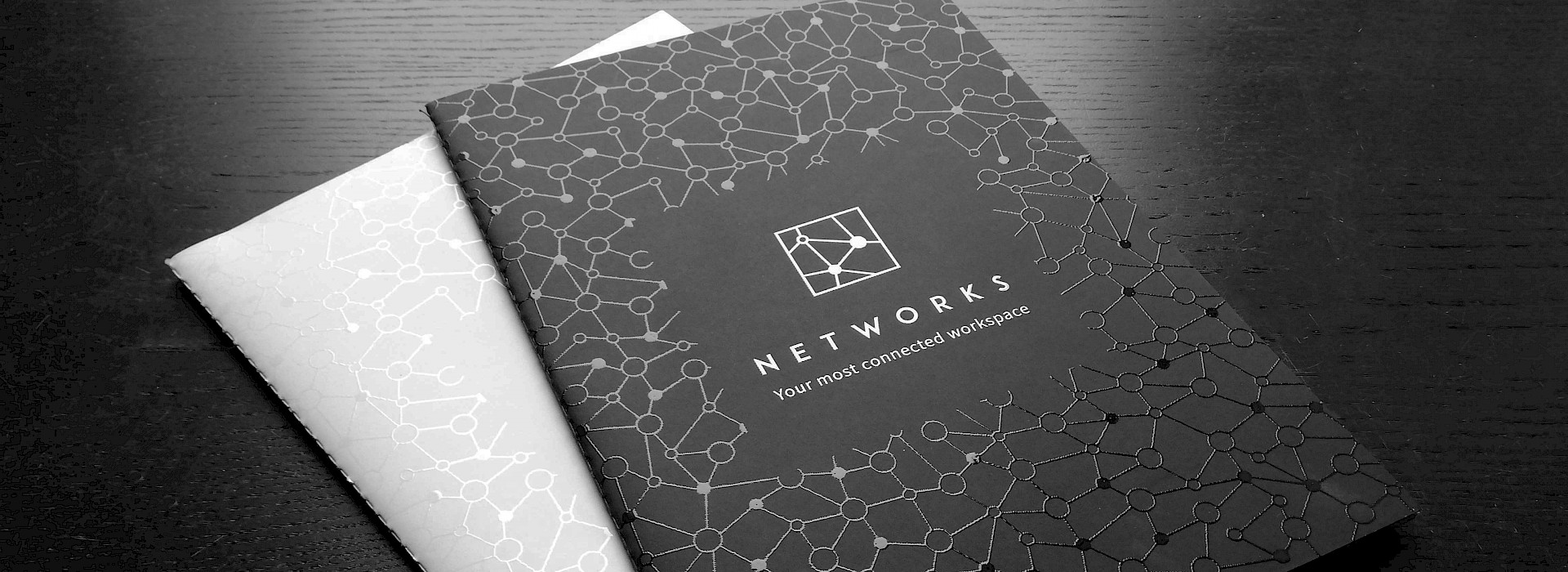
Print is hot

Deloitte found that 89% of Belgians read advertising leaflets. Amidst all the digital clutter, it’s a welcome change for consumers to simply relax on the sofa with some printed reading material. In short, print retains its well-deserved place in a healthy marketing mix. 4 facts about print!
1. Don’t confuse a typeface with a logotype

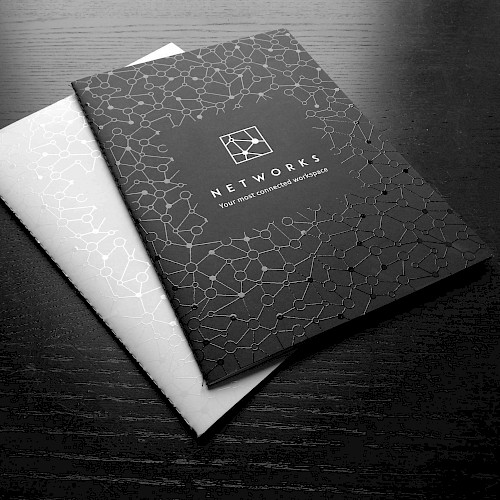
One of the many factors that determine the look and feel of your printed brochure is the typeface. A typeface is sometimes confused with a logotype, so here’s a brief explanation. A typeface is a family of letters in the same style. You’ll find countless examples in your word processor, such as Times New Roman or Calibri. A typeface often forms the basis for a logotype. A logotype is a logo consisting of letters. The graphic designer makes small adjustments to the letters, resulting in a unique, bespoke logo.

The letter is your brand

It’s amazing how much emotion you can convey through a logo. A handwritten letter, such as in the Coca-Cola logo, looks much warmer and friendlier than a straight, clean font. It’s no coincidence that Facebook opted for lowercase letters: lowercase letters give an accessible, familiar impression. Colour also evokes certain associations. Red can come across as passionate but also aggressive, whilst blue traditionally stands for reliability. A logo must reflect the personality of your company or project and appeal to your target audience. So don’t take it too lightly.

An image is not a must

Some companies mistakenly assume that a logo requires an image. An image can be an added bonus, but it is not a must. The most important thing is that the image and the name elevate each other to a higher level. Moreover, an image, a logo name and a tagline are often overkill. Keep certain elements solely for your corporate identity.

2. Feel free to choose recycled paper

Do you remember that rather unattractive brown-grey recycled paper from your school days? Fortunately, that’s a thing of the past. Thanks to modern techniques, the fibres are no longer so visible. So feel free to choose eco-friendly recycled paper.

5 good reasons to use recycled paper

  1. Manufacturers of recycled paper source their waste paper locally. This reduces transport and therefore emissions.
  2. Paper can be recycled up to seven times, which helps reduce the volume of waste.
  3. As it is easier to produce pulp from paper than from wood, the production process for recycled paper is shorter. This results in lower water and electricity consumption.
  4. Not all recycled paper serves the same purpose. White recycled paper, for example for printers, is made from office paper. Grey recycled paper is made from, amongst other things, old packaging material. By making this distinction, the manufacturer needs to use fewer bleaching chemicals.
  5. No new CO2 is released during recycling. Recycling is therefore nothing more than making use of raw materials that are already available. This is both budget-friendly and economical.

3. What is the difference between offset and digital printing?

Offset: the most popular

In offset printing, the printer applies an image to an aluminium plate. The plate is then moistened. All parts of the plate that do not contain an image absorb the moisture. The plate is then coated with a greasy ink. The damp areas, which have no image, repel the ink. The ink is then transferred to a rubber blanket, and the blanket transfers the image onto the paper. Offset is mainly used for large print runs.

Digital: the fastest

The fixed costs of digital printing are lower than those of offset, but the variable costs per sheet are much higher. That is why digital printing is particularly suitable for small print runs. Digital printing is also much faster. This makes it ideal for orders with tight deadlines. Please note, however, that there may be colour variations with digital printing. You should therefore consistently choose the same printing technique for all your printed materials.

4. How soon can I expect my printed materials?

Once final approval has been given, the paper is ordered and the printing is prepared and carried out. The printed material is then left to dry completely. Your printed material is usually ready in about two weeks, but this depends on the printing technique.

Would you like to know more?

Would you like to receive advice from our experts to market your new project? We are happy to help!

Contact us


Share this story: